
100 Years of Highway 101: The Road That Shaped California Travel
For a century, Highway 101 has connected California’s coastlines, wine country, and roadside towns — inspiring generations of road trippers along the way.
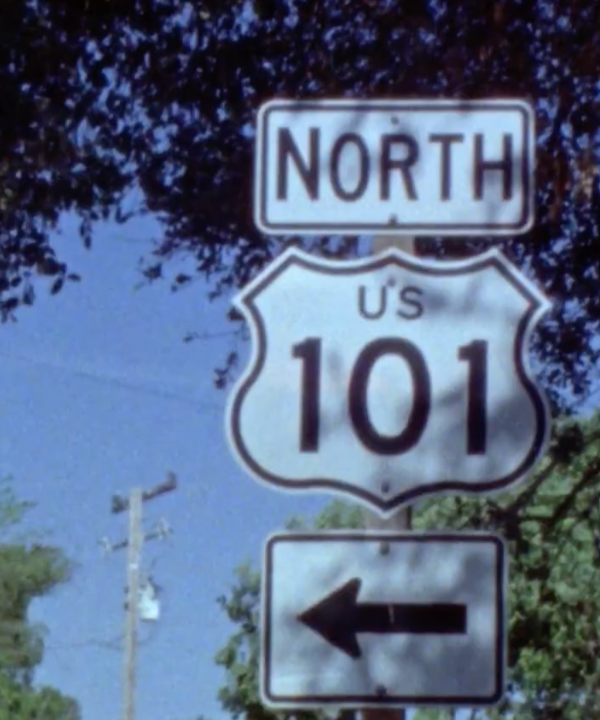
The Legacy of Highway 101
When Highway 101 began taking shape in the early 20th century, it was designed to connect California’s growing coastal communities through one continuous route. Officially established in 1926, the highway followed historic trade paths and stagecoach routes that had long traced the Pacific coastline.
Over the next century, Highway 101 became far more than infrastructure — it shaped the way California travels.
Along the Central Coast, between Santa Ynez Valley and Paso Robles, the highway linked agricultural towns, inland valleys, and coastal communities that once felt worlds apart. Farms, ranches, vineyards, and small town centers all grew around the rhythm of the road.
Unlike California’s larger urban corridors, Highway 101 here encouraged slowing down. Coastal turnoffs, vineyard roads, and small towns naturally broke up the drive, turning the journey itself into part of the experience.
By the mid-1900s, Highway 101 had become one of California’s defining road trip routes — not because it was the fastest, but because it captured the state at its most varied. Ocean views gave way to farmland, rolling hills, vineyards, and roadside towns, all unfolding in sequence along the road.
A century later, that spirit still remains.
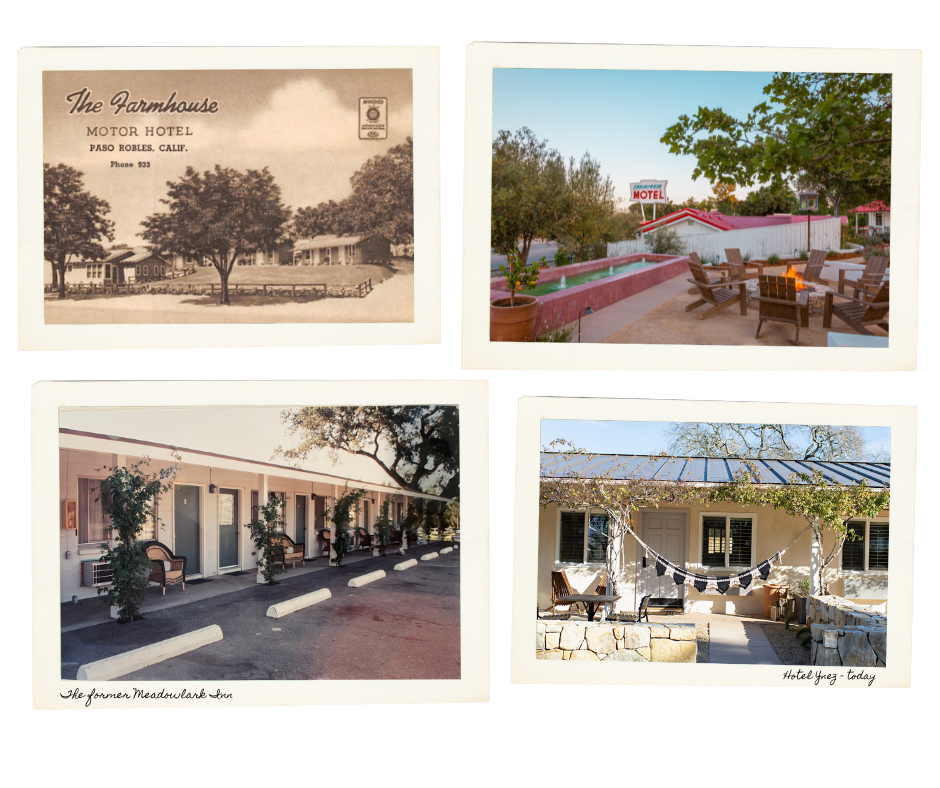
As car culture expanded in the mid-century era, Highway 101 evolved from a practical route into a cultural one. Gas stations, roadside diners, neon motel signs, and motor lodges emerged along the highway, creating a new kind of travel experience built around freedom, spontaneity, and discovery.
For decades, these roadside stops shaped the rhythm of California travel. You didn’t arrive with a strict itinerary — you discovered places as you went.
That sense of freedom continues to define the Central Coast today, and it became the inspiration behind Nomada’s approach to hospitality.
Rather than erase the roadside history of these spaces, Nomada reimagines them for modern travel: preserving their character while creating experiences designed around slower mornings, longer stays, and meaningful connection to place.
Across the Central Coast, that philosophy takes different forms:





Together, they reflect a simple idea: the roadside isn’t something California has outgrown. It’s part of what still makes traveling Highway 101 memorable.
Introducing the Nomada Road Tour
The Nomada Road Tour invites travelers to experience the full collection, from Santa Ynez to Paso Robles, one stop at a time.
Guests who stay at all five Nomada properties within 365 days receive a complimentary one-year Roadie Membership with exclusive perks — creating a new way to explore California’s Central Coast through the rhythm of the road itself.
Inspired by the spirit of Highway 101, the Nomada Road Tour encourages travelers to slow down, linger longer, and rediscover the joy of the journey between destinations.