
A MONTHLY LOOK AT WHAT’S HAPPENING ABOVE THE CENTRAL COAST
At Skyview Los Alamos, the sky isn’t just a backdrop — it’s part of the experience. From golden sunsets to star-filled nights, the wide-open skies above the Santa Ynez Valley offer plenty of reasons to look up.
November brings some exciting celestial sights to California's Central Coast. From the Taurid and Leonid meteor showers to a planetary encounter between Mars and Jupiter and the full Beaver Moon, there's plenty happening overhead.
And with the month's new moon bringing darker skies, we're kicking off our winter Stargazing Sessions with Dark Sky Discovery on November 8.
Here's what to look for in the November 2026 night sky and how to experience it at Skyview.
🌑 November Stargazing at Skyview: Dark Sky Discovery
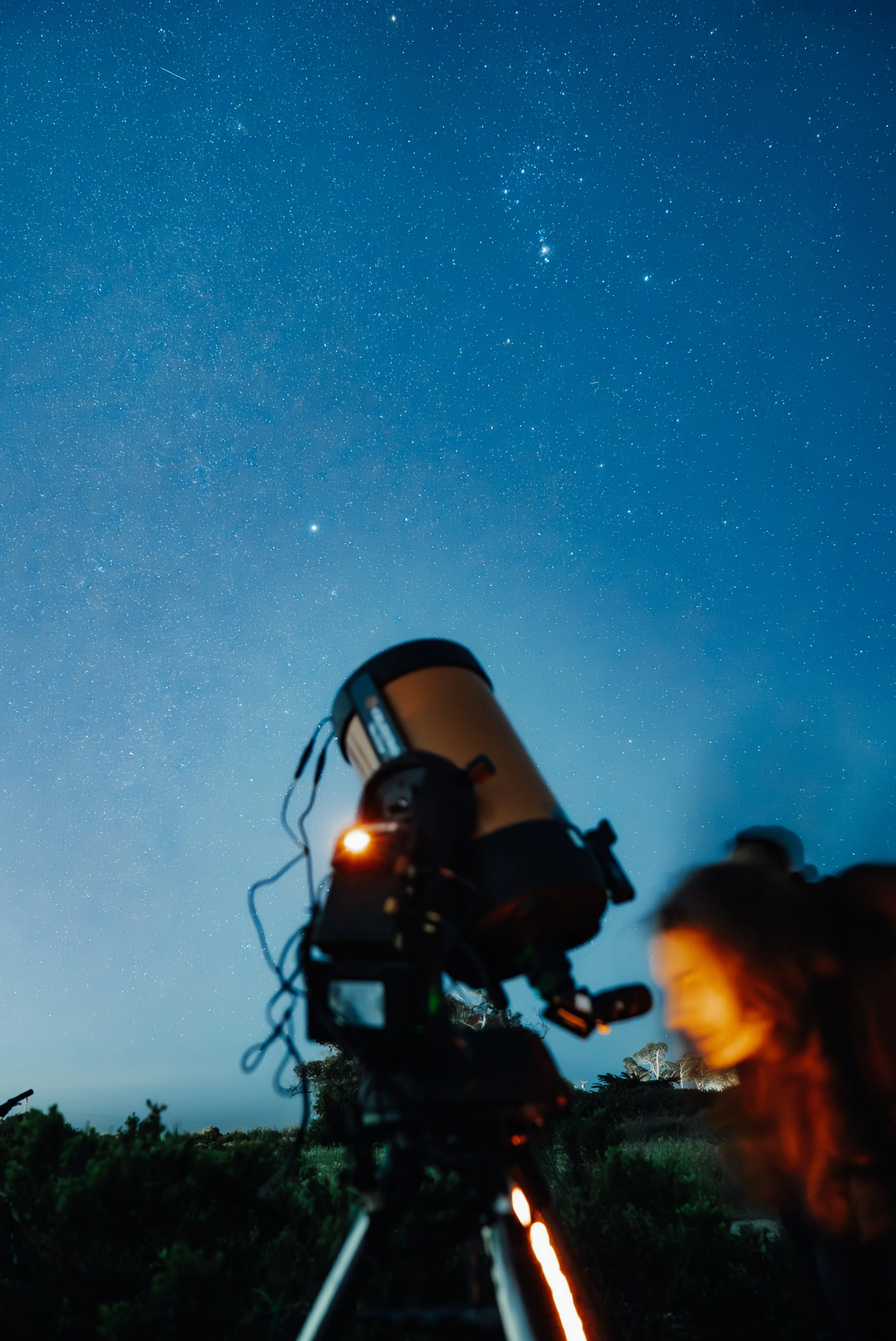
Sunday, November 8 | 7–9 PM
The less light, the more there is to see.
November's new moon arrives late on November 8, creating ideal conditions for exploring the cosmos without bright moonlight washing out the view.
To make the most of these darker skies, join us at Skyview Los Alamos for Dark Sky Discovery, the first in our winter series of monthly Stargazing Sessions led by astronomy experts from Alta Vista Tours.
From distant planets and stars to nebulae and star clusters, discover what's hiding in the darkness through guided observations, telescope viewings and celestial storytelling.
Whether you're an astronomy enthusiast or simply curious about what's overhead, it's an opportunity to see the night sky from a different perspective.
Event Details
Date: Sunday, November 8, 2026
Time: 7–9 PM
Location: Skyview Los Alamos, California
Tickets: $50 per person
Includes: Guided astronomy experience, telescope viewings, a welcome glass of sparkling wine and gourmet popcorn
Food & Drink: Additional food and beverages available for purchase from Norman
Winter evenings on the hilltop can get chilly, so come dressed in warm layers. Blankets will be provided.
Weather permitting.
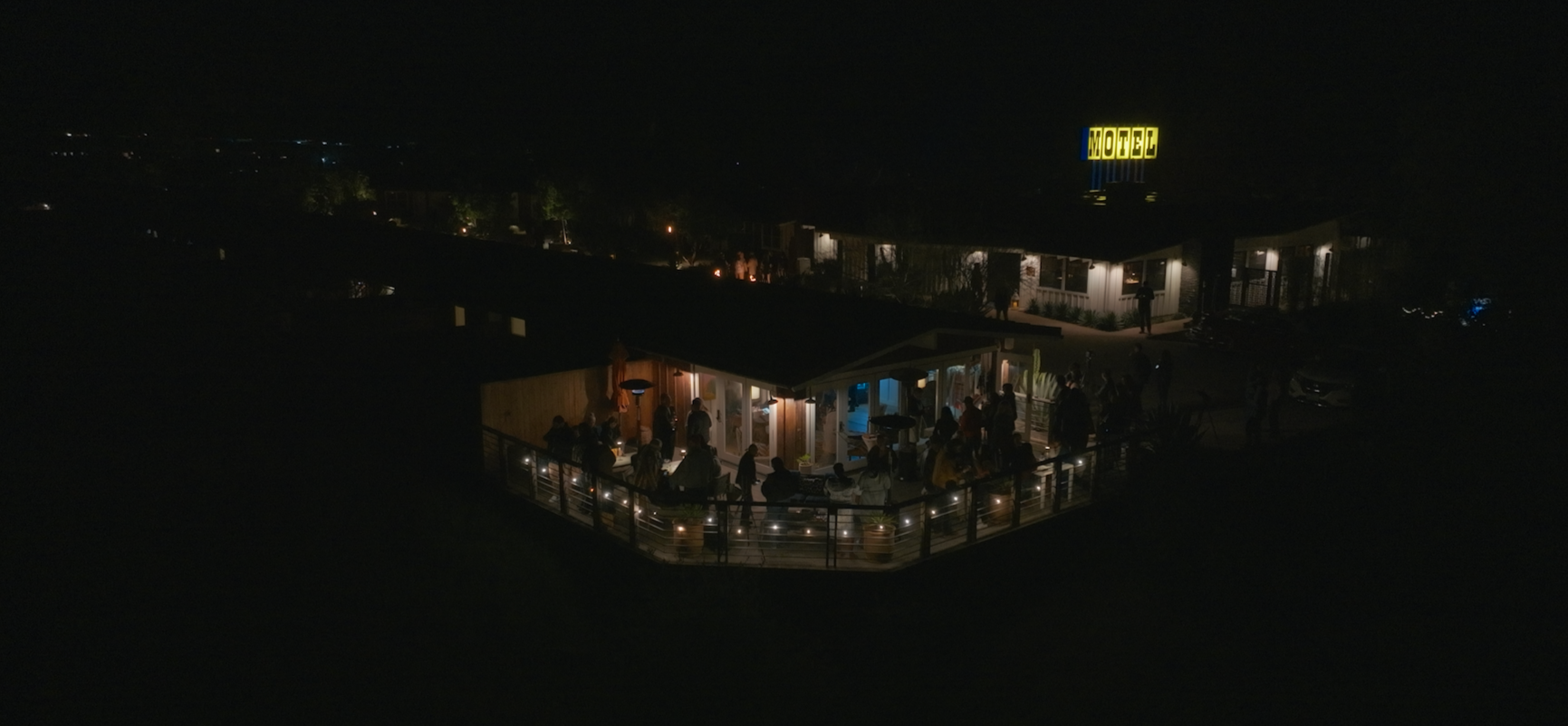
🌌 Notable Sky Events in November 2026
Southern Taurid Meteor Shower — November 4–5
November begins with the Southern Taurids, a meteor shower known for occasionally producing exceptionally bright shooting stars called fireballs.
While the Taurids aren't known for producing large numbers of meteors, their slower-moving streaks can make for a memorable sight. Look toward the night sky after dark, preferably away from bright lights, for your best chance of catching one.
Mars and Jupiter Meet — November 15–16
Two of our solar system's most recognizable planets make a close appearance in November.
In the early morning hours of November 15 and 16, Mars and Jupiter will appear unusually close together in the eastern sky. Look for bright Jupiter alongside the smaller, reddish glow of Mars.
The pair will be visible to the naked eye, weather permitting.
Leonid Meteor Shower — November 17–18
One of November's most anticipated celestial events, the Leonid meteor shower returns with a chance to catch shooting stars streaking across the sky.
The Leonids are known for their exceptionally fast meteors, created when Earth passes through debris left behind by Comet Tempel-Tuttle.
For favorable viewing conditions, head outside after midnight and before dawn on November 18, when the constellation Leo climbs higher overhead and moonlight is less likely to interfere.
🪐 Planet Watch: What's Visible in November?
You don't need a telescope to spot some of November's brightest planetary visitors.
This month, keep an eye out for:
Saturn: Look toward the southeastern sky after sunset. The ringed planet remains a prominent feature of November evenings, visible as a steady, yellowish point of light.
Jupiter: One of the brightest objects in the night sky, Jupiter rises later in the evening and becomes easier to spot in the hours before sunrise.
Mars: Look for Mars' distinctive reddish glow near Jupiter in the early morning eastern sky, especially around November 15–16.
Venus: Early risers can catch brilliant Venus low in the eastern sky before sunrise. The planet becomes especially bright toward the end of November.
For an even closer look at the cosmos, Skyview guests can explore our Unistellar telescope experience, revealing celestial details beyond what the naked eye can see.
🌕 November's Full Beaver Moon — November 24
November's full moon, traditionally known as the Beaver Moon, reaches peak illumination on November 24.
The name is commonly associated with the time of year when beavers prepare for winter, a seasonal marker rooted in North American traditions.
This year's Beaver Moon is also a supermoon, occurring when the full moon is relatively close to Earth in its orbit.
While the new moon is best for spotting faint celestial objects, the full moon offers a spectacle of its own. Watch for its warm glow near the horizon as it rises over the landscape.
🚀 Rocket Launches from Vandenberg
Just up the coast from Los Alamos, Vandenberg Space Force Base regularly sends rockets into orbit, occasionally treating Central Coast residents and visitors to a spectacular sight.
Depending on launch timing and visibility, guests at Skyview may catch a rocket climbing above the Pacific. Launches around sunset or twilight can be especially memorable, sometimes creating glowing trails across the sky.
Rocket schedules are subject to change, so check for upcoming launches during your stay. You never know when the next show might begin.
Experience the Night Sky at Skyview Los Alamos
From meteor showers and planetary encounters to the quiet beauty of a moonless night, November offers plenty of opportunities to explore the skies above California's Central Coast.
Whether you're planning a weekend getaway in Santa Barbara wine country or simply looking for something different to do in Los Alamos, there's always a reason to look up.
Join us on November 8 for Dark Sky Discovery, the first of our monthly winter Stargazing Sessions, and experience the universe from a new perspective.